

Synopsis
Director: Michael Jelenic
Cast: Chris Pratt, Anya Taylor-Joy, Jack Black
Runtime: 110 minutes
Rating: 7.5/10 for gamers | 7/10 for general audiences
This Is Not Another Generic Game Movie
The 2023 Illumination Mario film took a cautious approach. This one takes real risks. The Super Mario Galaxy Movie understands something crucial: the 2007 game wasn’t about defeating Bowser—it was about wonder, exploration, and the magic of discovering how gravity works on alien worlds.
The filmmakers didn’t rely on Wikipedia plot summaries. They actually played the games. They grasped the emotional core: Mario as a solitary explorer learning that vulnerability and trust matter more than individual strength. The film translates that feeling into cinema, which is harder than it sounds.
Does every moment land? No. Act 2 pacing struggles, Bowser’s motivation feels thin, and some comedic timing misses. But where it counts—making Mario’s journey feel genuinely meaningful—the film delivers. Whether you’ve collected 100+ Power Stars or never touched a Nintendo controller, here’s what actually works.
What Made The Original Game Special (And Why The Film Understands It)
Most Mario games demand mastery. Your perfect timing. You memorize patterns. You conquer obstacles through skill. Galaxy broke that formula. Instead of executing pixel-perfect jumps, you discovered how physics worked differently on every planet. The camera rotated constantly. Walls became ceilings. You weren’t a trained athlete—you were an explorer figuring things out through experimentation.
That loneliness mattered. You were alone on these worlds, learning invisible rules. There was wonder in that isolation.
This film captures that feeling. When Mario first experiences low-gravity, he doesn’t instantly master it. He falls, gets confused, and learns through trial and error. The camera rotates to match his disorientation. For 30 seconds, you feel exactly what you felt exploring those 2007 planets. That’s when you know: the filmmakers actually understand what they’re adapting.
Animation That Actually Sells Impossible Physics
Here’s the technical trick that makes the gravity sequences work: character shadows don’t cast downward. They cast toward the planet’s center. Watch the hair—every strand behaves physically correct to that gravity point. Water, fire, debris: everything follows the same rules. You don’t consciously notice this consistency, but your brain does. It stops asking “How is this possible?” and accepts it as real.
Inception used similar tricks for disorientation. Galaxy uses them to make the impossible feel convincing. That distinction matters. Realistic hair simulation alone costs studios thousands of hours—they could have cut corners. They didn’t.
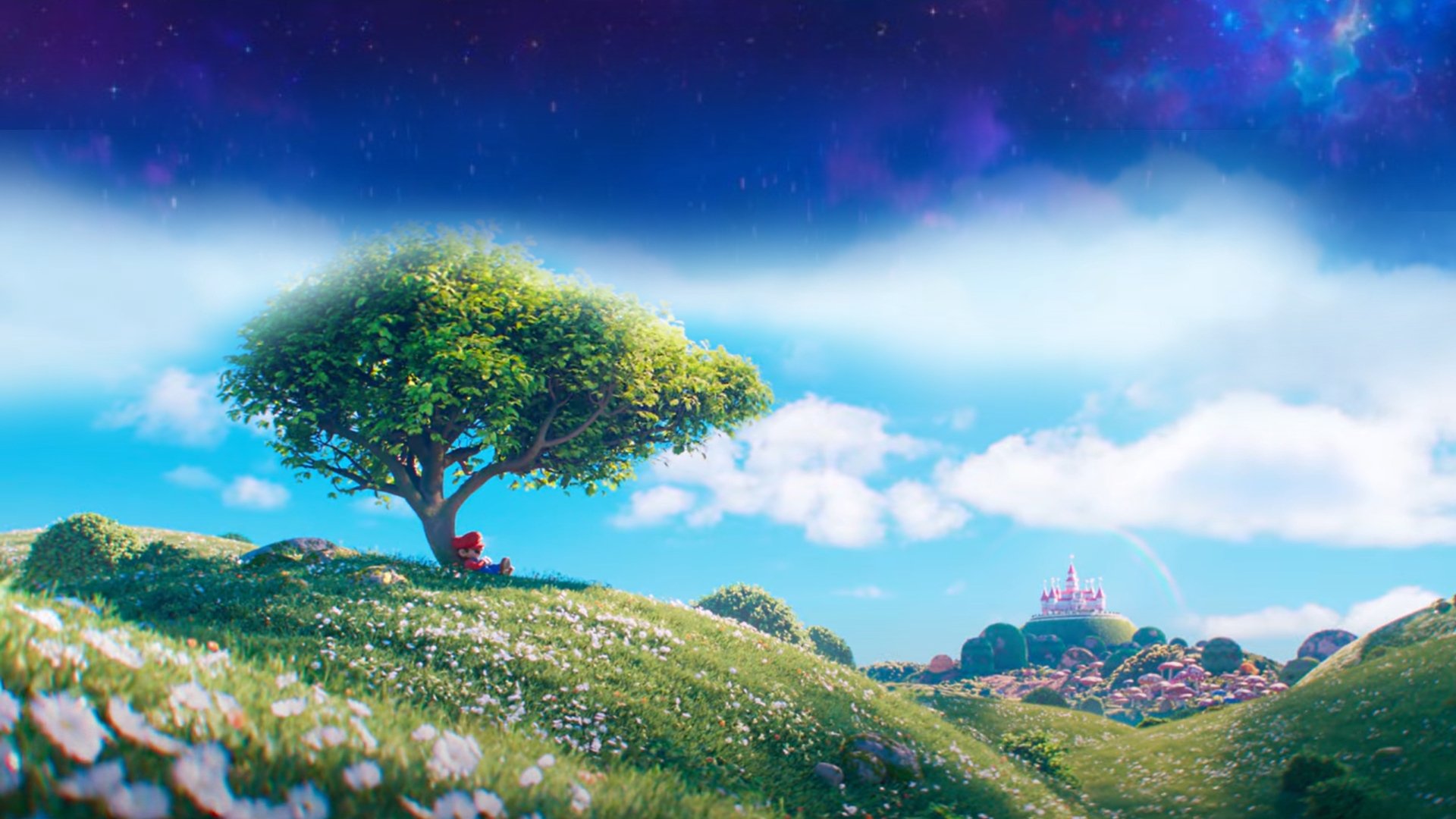
Character animation is equally impressive. Mario moves tentatively when discovering new gravity—slightly afraid, learning as he progresses. By the film’s end, when he confidently walks on vertical surfaces, you’ve seen his growth through physical performance, not exposition. Environmental design deserves specific mention too. Ice planets refract light realistically yet beautifully. Volcanic worlds pulse with molten energy. Organic planets overflow with alien flora rendered with both accuracy and imagination. You’re not watching Mario traverse levels—you’re watching him discover worlds.
How The Film Transforms Game Mechanics Into Cinematic Storytelling
Director Michael Jelenic makes one bold choice: the film inverts the game’s isolation. Galaxy isolates you on alien worlds. This movie surrounds Mario with allies immediately. It could have failed. Instead, Jelenic argues something worth hearing: “Games are about solitary discovery. Movies are about connection.” It’s not a contradiction—it’s integration.
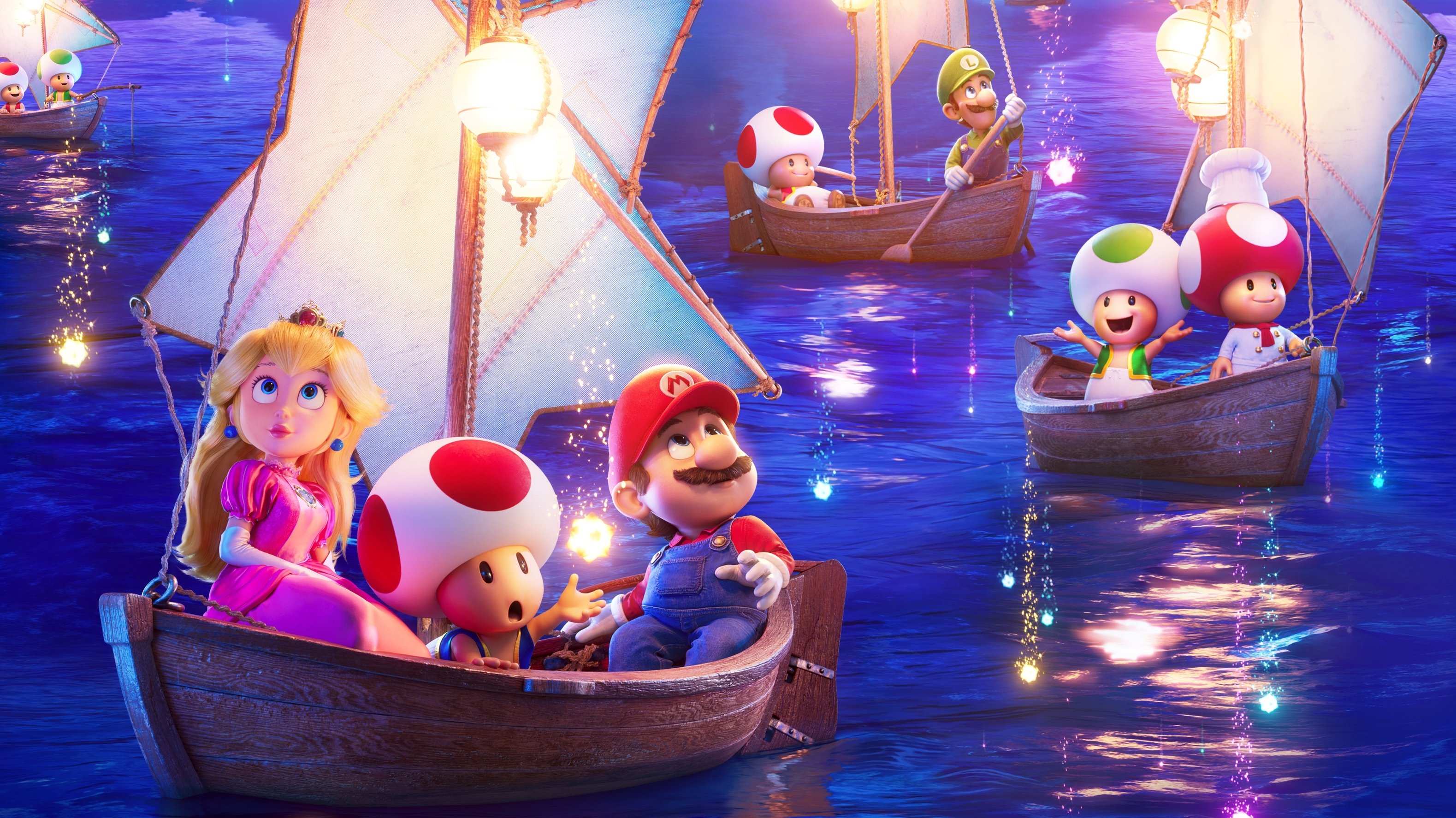
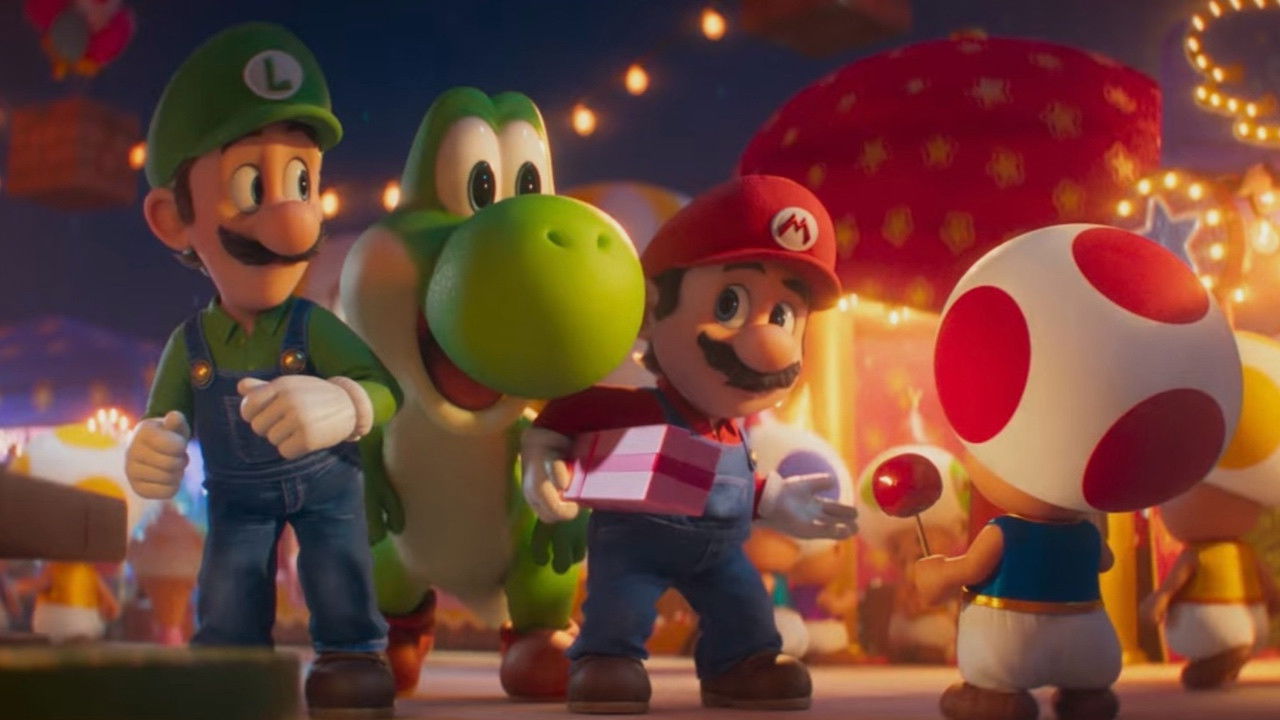
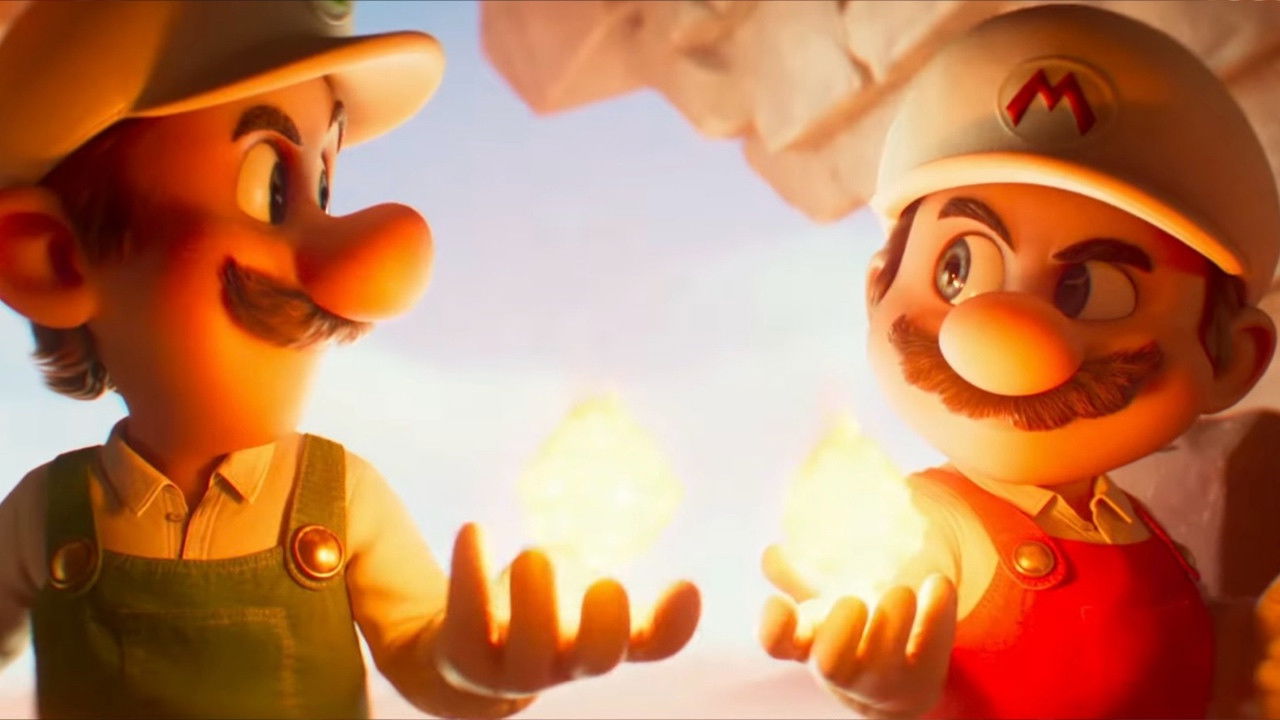
Luigi’s arc mirrors gameplay perfectly. He spends the film in Mario’s shadow wanting to prove himself independently. That’s exactly what you did in the game—discovered your own paths through gravity-twisted worlds without instruction. Peach gets real character development. She’s not a captive waiting rescue. She’s a leader planning escapes, fighting alongside Mario as an equal. Later Mario games established Peach as protagonist-capable, so this evolution feels earned.
Bowser’s motivation is the weak link: “collect cosmic power to rule.” Generic. Jack Black’s voice acting mostly compensates, but the character deserved complexity. Pacing is uneven—Act 1 moves briskly, Act 2 drags with repetitive “find star fragments” sequences, and Act 3 recovers emotionally. The thematic work is strongest here: Mario’s moment admitting fear to his allies isn’t generic “overcome self-doubt through friendship.” It’s “others believe in you first, which lets you believe in yourself.” That’s earned character work.
Why The Voice Acting Actually Elevates The Film
Chris Pratt’s Mario isn’t Charles Martinet’s iconic high-pitched “Wahoo!” (110 minutes of that would be unbearable). Pratt keeps Mario’s enthusiasm grounded in genuine humanity. When Mario realizes he can’t rescue Peach through strength alone, his voice drops and becomes vulnerable. You’re listening to subtle, skilled acting, not a celebrity coasting on fame.
Anya Taylor-Joy as Peach is the revelation. She sounds regal without coldness, warm without weakness. Her Peach is intelligent, capable, unexpectedly funny. She could have made Peach ornamental. Instead, she’s a full character. Jack Black as Bowser steals nearly every scene by leaning into theatrical absurdity. When he yells “I’m taking over… DESTINY!” he understands the character’s melodrama. This transforms potential cringe into genuine humor. He even delivers Bowser’s backstory—which shouldn’t work—with surprising pathos. Black makes the character simultaneously ridiculous and sympathetic.
Charlie Day (Luigi), Keegan-Michael Key (Toad), and Brie Larson (Rosalina) do solid supporting work. Day brings emotional stakes—you hear Luigi’s character arc in his voice shifting from uncertain to confident. Key brings infectious energy without making Toad annoying. Larson gives Rosalina mystery through voice alone—she sounds like someone who’s seen worlds.
Smart References vs. Forced Nostalgia (And How This Film Compares)
The best Easter egg is almost invisible: Lumas briefly arrange themselves into the original Super Mario Bros. silhouette. One frame. Easy to miss. But it proves the filmmakers knew franchise history beyond just the 2007 game. The film is restrained with references—doesn’t shoehorn in Power Moons or sacrifice narrative for nostalgia. When references emerge naturally, they deepen the story instead of breaking it.
How it compares to other adaptations:
- vs. 2023 Illumination Mario: That film asked “Can we make Mario safe?” This asks “Can we make Mario meaningful?” The 2023 version was fun but risk-free. Galaxy is less joke-dense but more ambitious. For viewers 8+, this is clearly superior.
- vs. 1993 Live-Action Mario: Not even comparable. That was cynical brand exploitation. This is respectful storytelling.
- vs. Sonic Films: Sonic works despite its source material. Galaxy works because of it. Sonic films are action-comedies featuring a game character. Galaxy understands what made the source game meaningful.
Who Should Actually Watch This?
Mario Fans & Gamers: See it immediately. The animation is genuinely innovative. Voice acting deepens characters you care about. It translates what made Galaxy special into cinema. Pacing issues and Bowser’s thin motivation don’t diminish the core experience.
Animation Enthusiasts: Essential viewing. Gravity mechanics are innovatively rendered. Character animation is nuanced and purposeful. Environmental design is meticulous. This is craft-level animation work.
General Audiences: Worth watching, but set expectations. You don’t need gaming knowledge to follow the story. But the film is partly made for people who know Mario. It’s slower and more contemplative than typical family action films—it values character moments over constant spectacle. That’s either a strength or weakness depending on what you want.
Parents: Genuinely family-friendly. No dark moments, traumatizing loss, or scary content. Characters feel sad appropriately when failures happen, but it’s emotionally honest, not manipulative. Messages about courage and connection aren’t preachy. Ages 6+.
What Actually Worked For Me (And Where It Stumbled)
I expected a fun family film. I left thinking about how games and movies tell stories fundamentally differently, and how rare it is for filmmakers to truly understand both.
There’s a moment where Mario encounters low-gravity for the first time—30 seconds, no spectacular cinematography, no dramatic music. It made me feel exactly what I felt exploring those 2007 game worlds. That single moment proved the filmmakers actually got it.
Luigi’s subplot surprised me too. 15 minutes of screen time builds a complete emotional arc. Watching him prove his worth independent of Mario’s shadow felt earned. Most films skip this. This film makes space for it, and it genuinely matters.
Where it disappointed: Bowser deserved more depth. Jack Black is excellent, but the character is thin. And yes, Act 2 drags with repetitive sequences. These aren’t fatal flaws, but they’re real.
The bottom line: It’s rare that a game adaptation respects its source material and works as standalone cinema. Most choose one or the other. Galaxy integrates both. That’s genuinely difficult to pull off.
Final Rating & Recommendation
7.5/10 for gamers — You’ll find genuine respect for the source material, innovative animation, and character moments that matter. Worth the theater experience.
7/10 for general audiences — A thoughtful animated adventure that respects its viewers’ intelligence. It’s a film that trusts you to care about character and emotion, not just spectacle.
A rare game adaptation that proves filmmakers can capture what made the source meaningful when they understand it deeply enough.
Looking for More Movie Reviews?
Check out our Home Page for in-depth reviews, streaming guides, and analysis of other major releases. Have a different take on Galaxy? Share your thoughts in the comments below—I’d love to hear what worked for you.
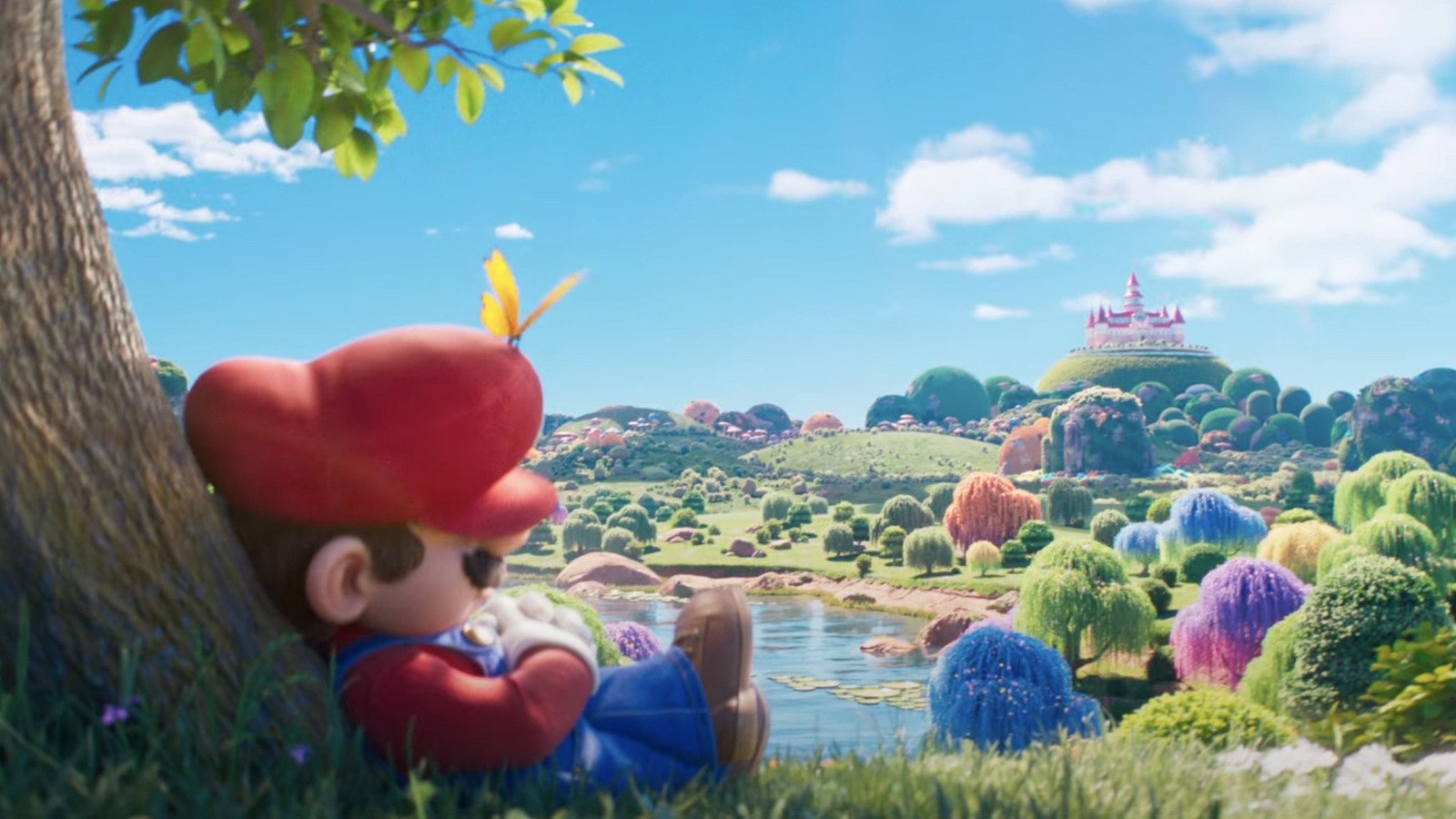
Original title The Super Mario Galaxy Movie
Director

Director
Cast

Mario (voice)

Princess Peach (voice)

Luigi (voice)

Bowser (voice)

Bowser Jr. (voice)

Toad (voice)

Rosalina (voice)

Kamek (voice)
Similar titles